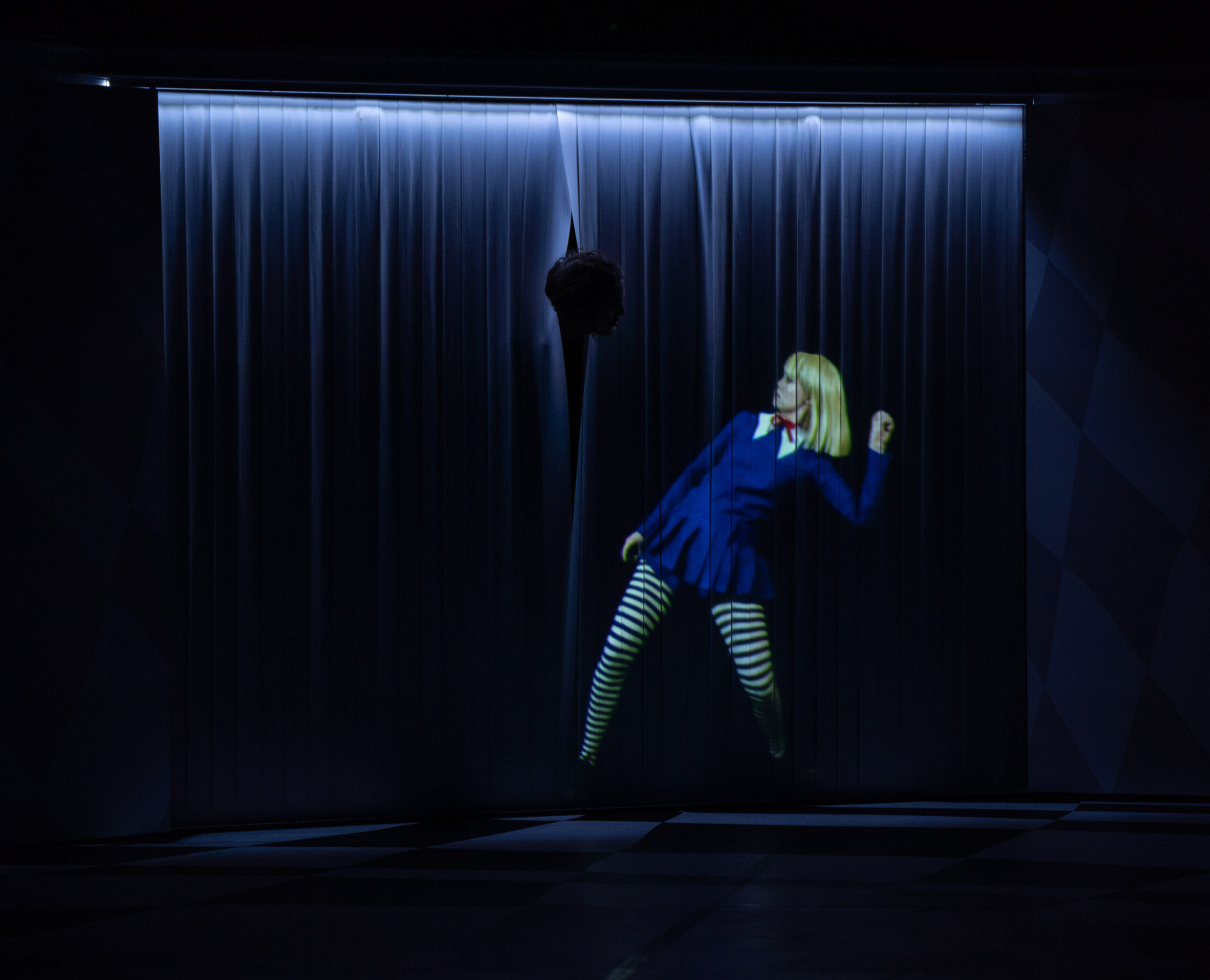
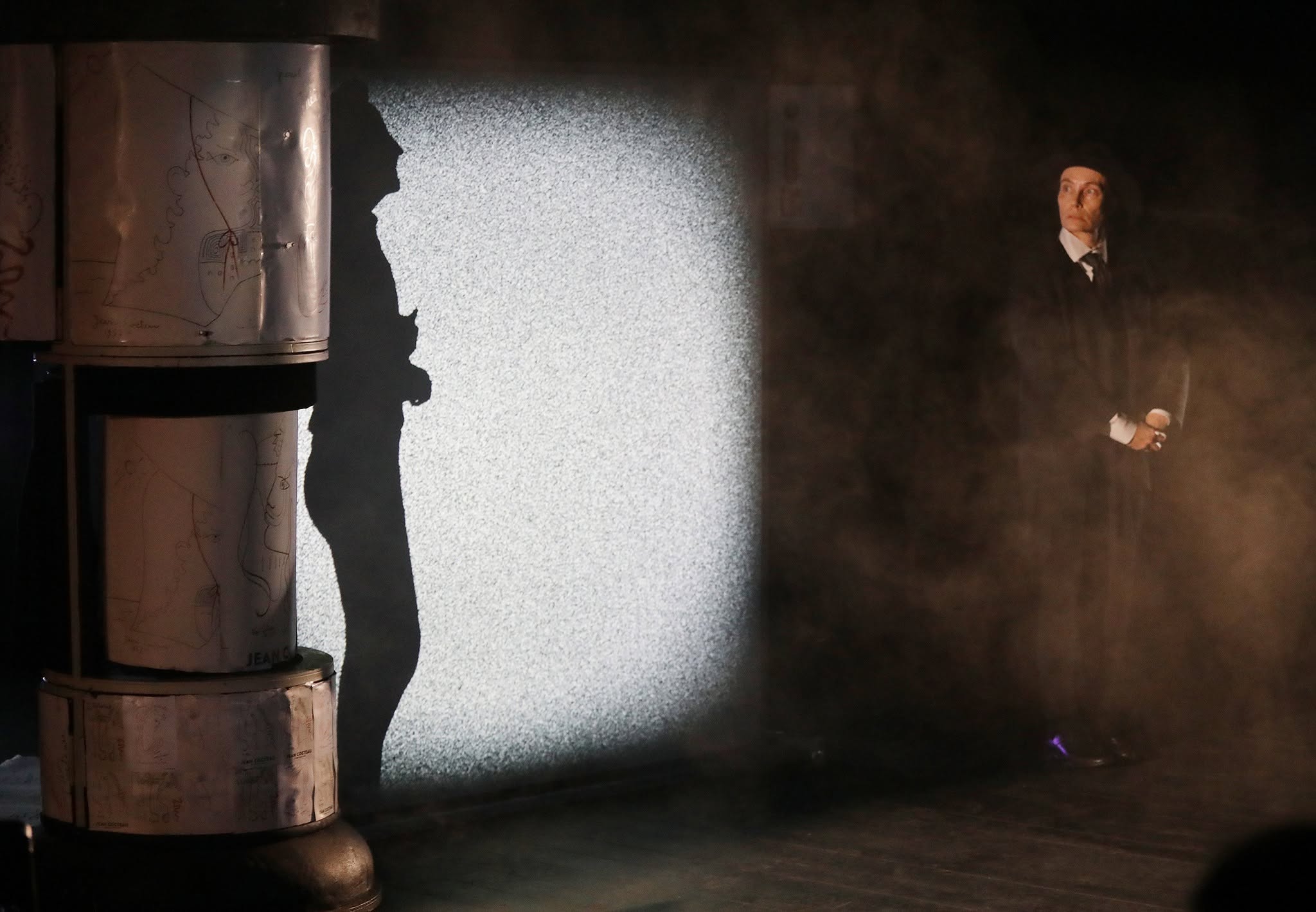
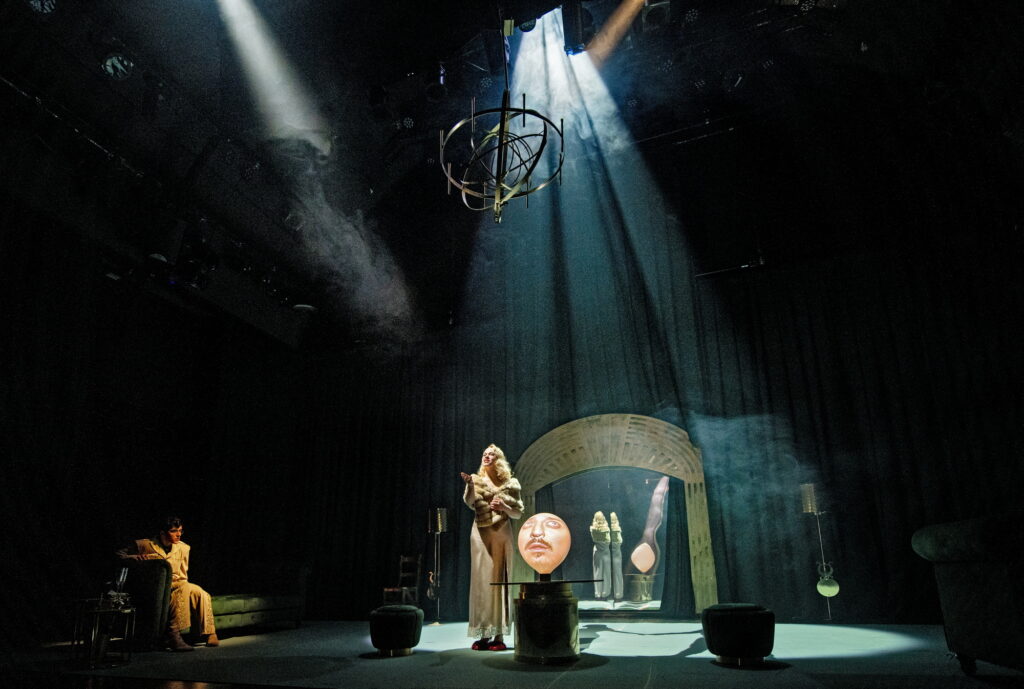
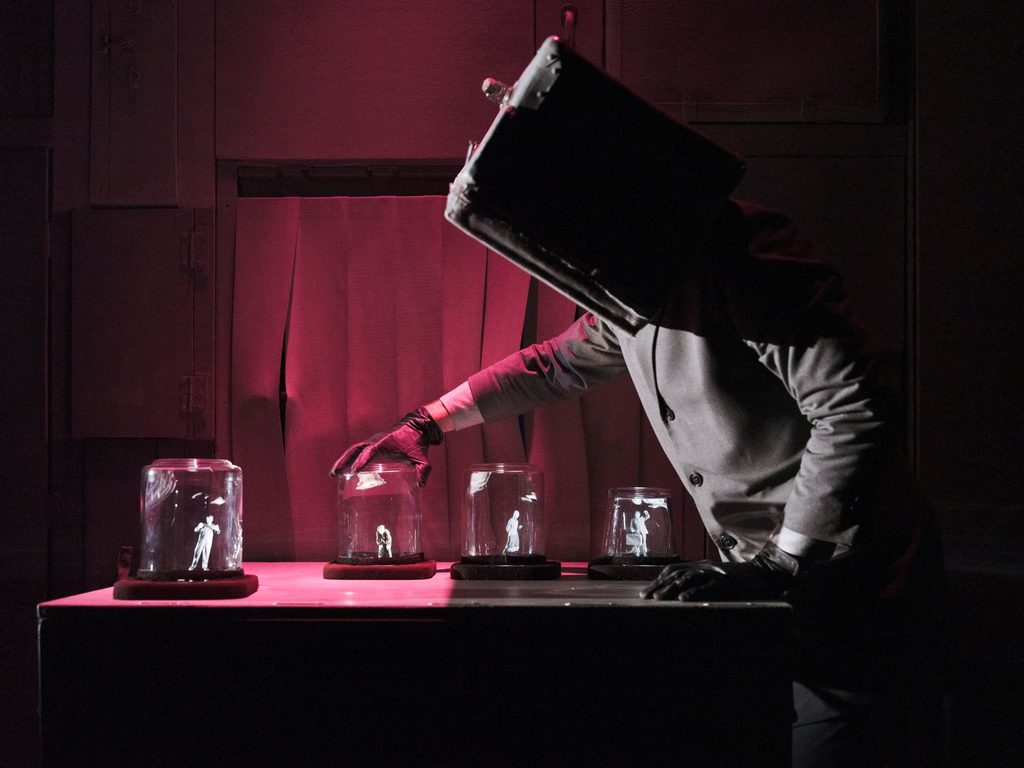
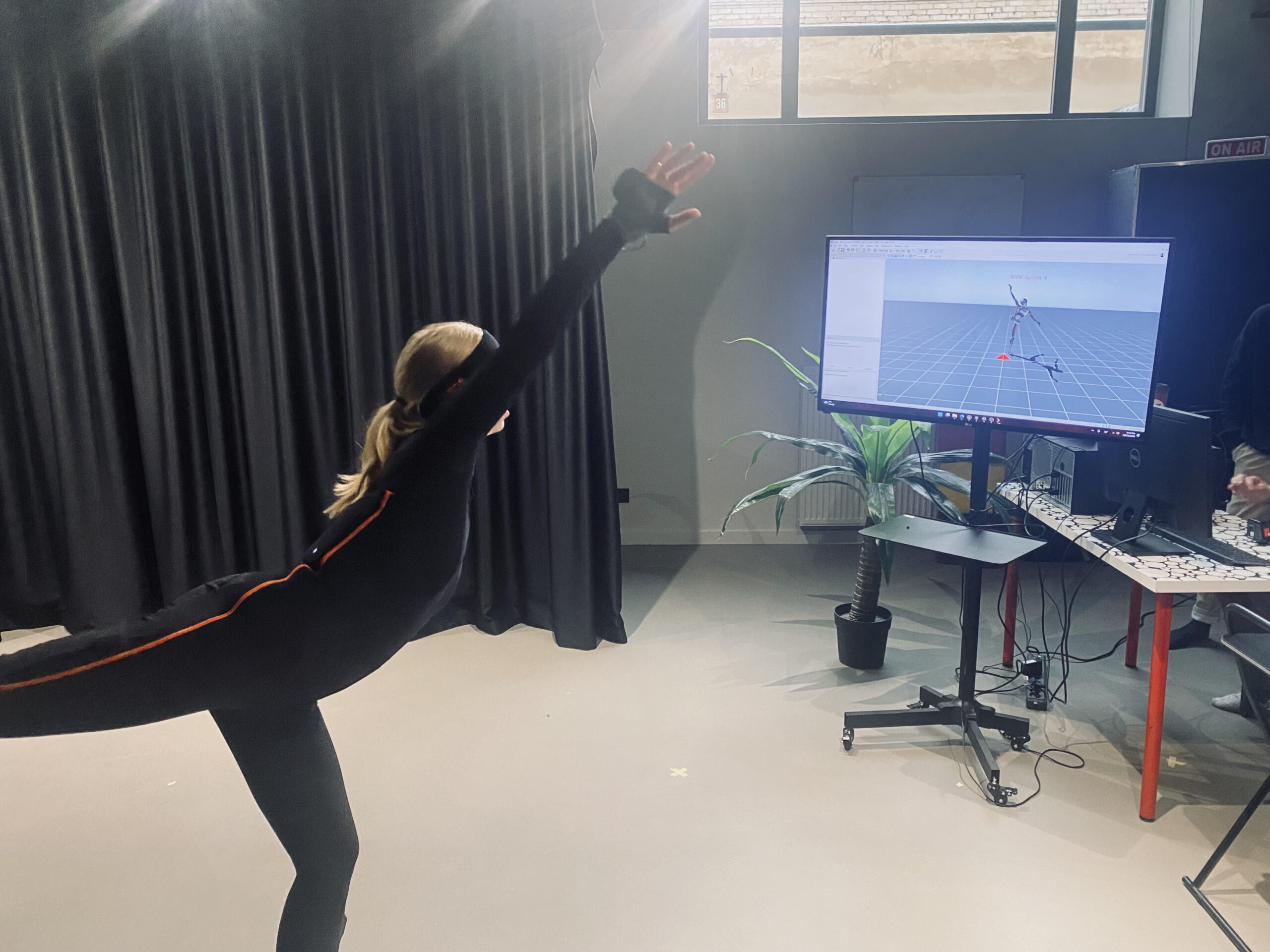
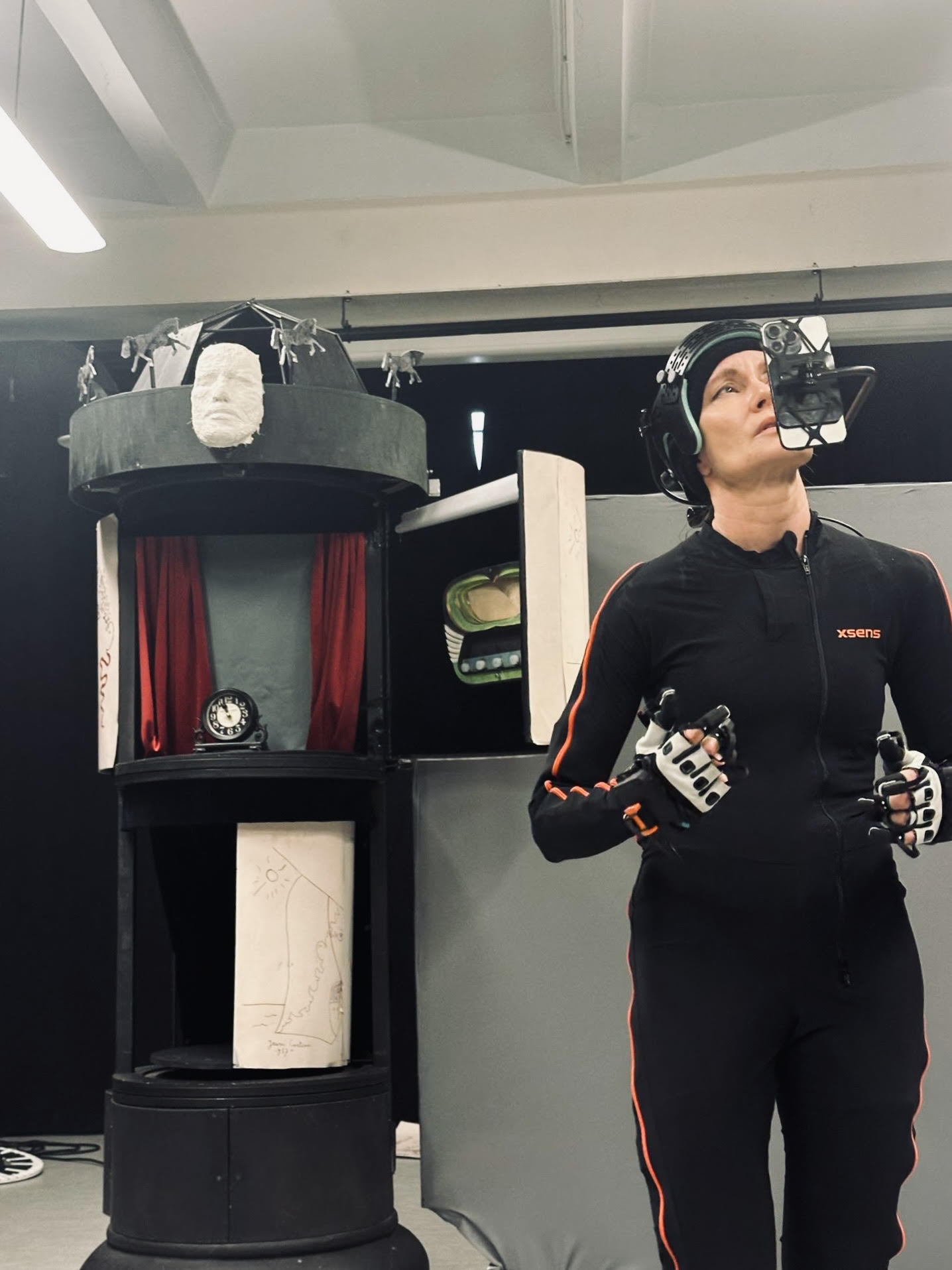
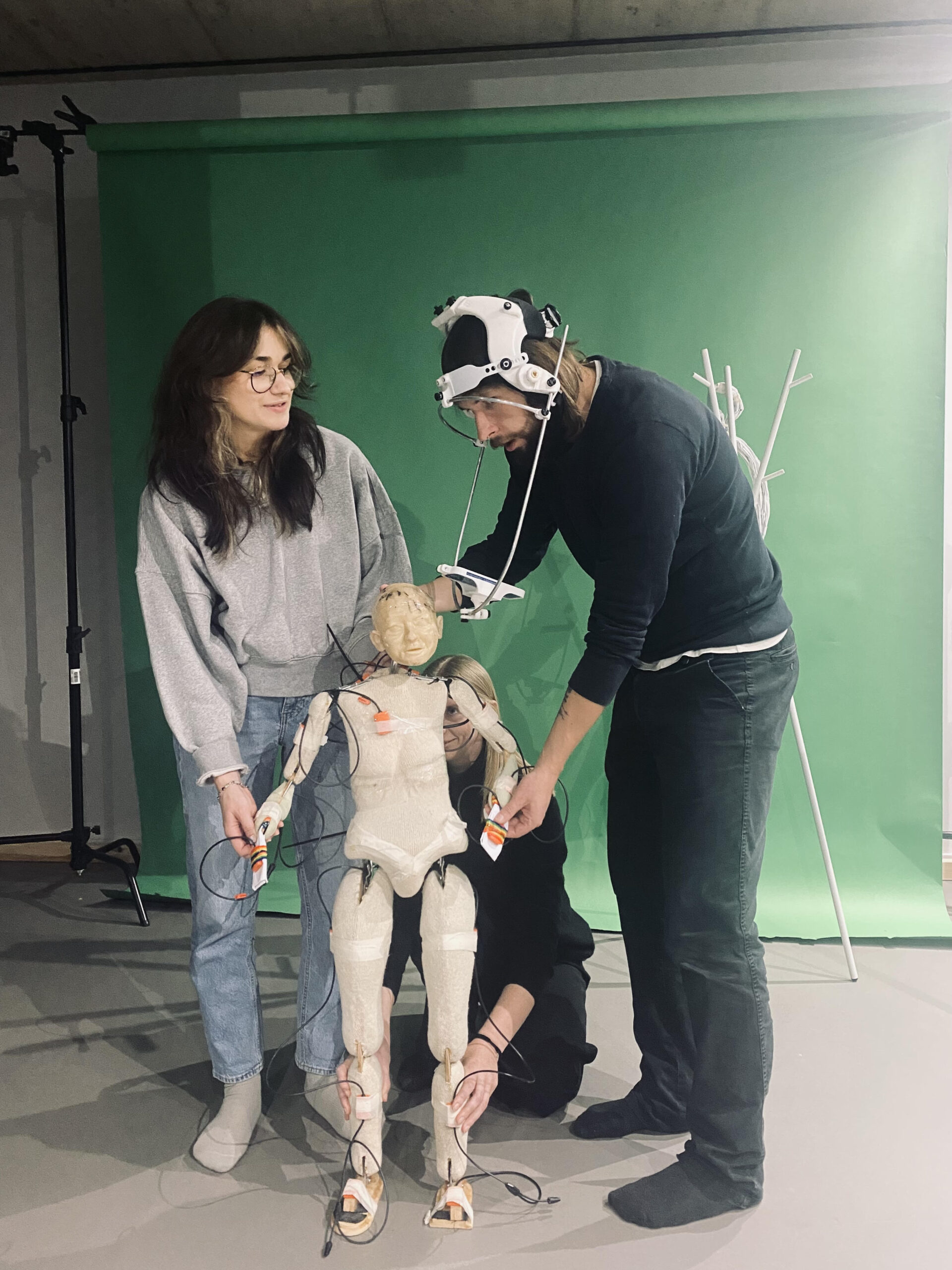
The project investigates how interactive and immersive technologies can help bridge the divide between live and mediated, physical and digital presence in the performing arts by bringing control of stage technologies closer to the performer.
In traditional intermedial performances, the performer’s interaction with lighting, sound, visuals, and other media is typically governed by a predetermined sequence of technical cues executed by operators. As a result, live performance must adapt not only to a predefined technological structure but also to an additional layer of human mediation that may introduce errors, delays, or inconsistencies.
The research will explore an alternative approach to organising intermedial performances, investigating whether and how sensors, motion and voice recognition, biofeedback systems, cameras, real-time algorithms, and artificial intelligence can transform the performer’s body, voice, movement, or physiological state into a direct source for generating, transforming, and controlling media dramaturgy in real time.
The three-year research project runs from September 2026 to September 2029 as a structured interdisciplinary R&D programme combining practice-based artistic research, iterative prototyping, and laboratory testing. The research is conducted by an international team of eight researchers with expertise spanning the performing arts, humanities, programming, audio technologies, sensor systems, visual media, and 3D environments. Individual research laboratories will also involve artists, scientists, and researchers from Lithuania and abroad.
Research Lead – Dr Žilvinas Vingelis, theatre director, interdisciplinary artist, lecturer and researcher at the Department of Acting and Directing of the Lithuanian Academy of Music and Theatre. His artistic research focuses on visual theatre, intermediality, and media montage, while his creative practice spans drama, puppetry, object theatre, visual theatre, contemporary circus, virtual reality, and audiovisual art.
The project is implemented under the “My First Research Team” activity of the progress measure administered by the Research Council of Lithuania and is funded by the 2021–2027 European Union Funds Investment Programme.